Wellness Blog
Foods That Boost Fat Loss: The Complete Science-Backed Guide
 Cindy Viers, DNP · June 30, 2026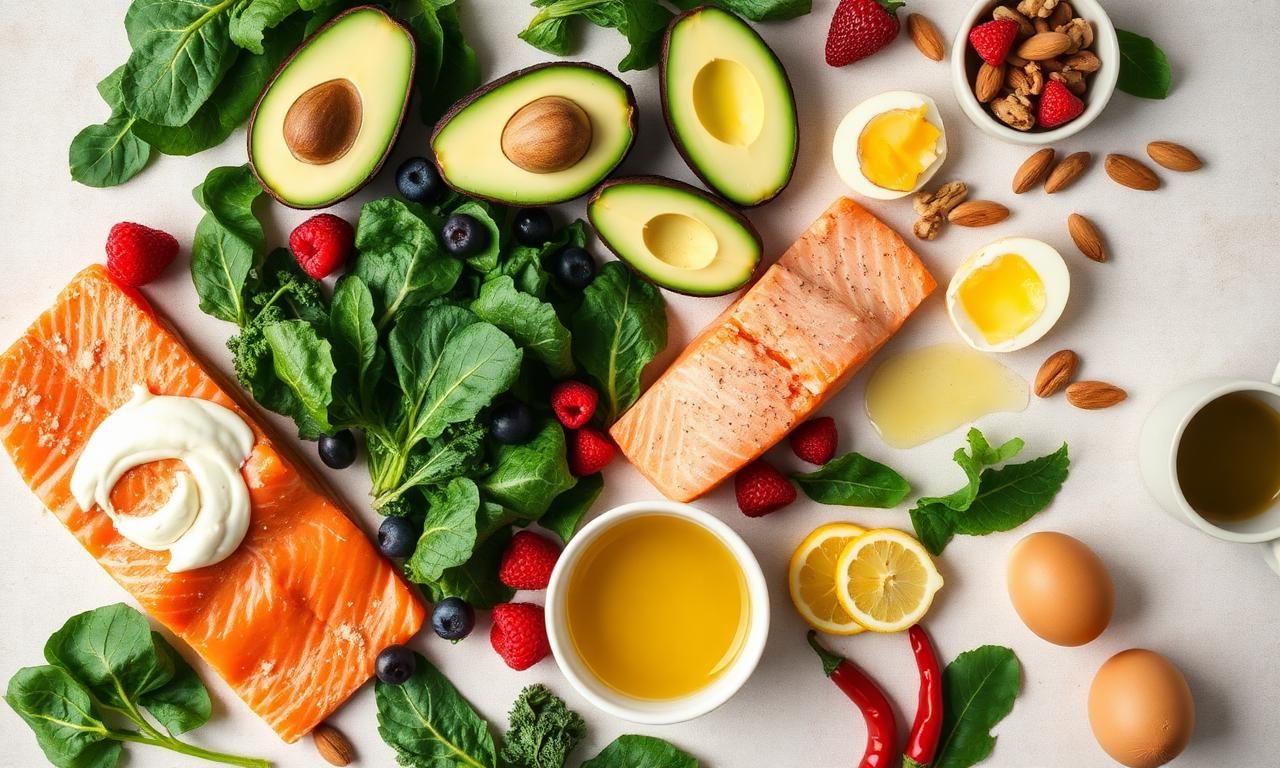
If you've been chasing fat loss with stricter diets, longer workouts, or yet another quick-fix program, it's easy to overlook the single most powerful lever you have every day: what you put on your plate. The right foods don't just fill you up — they shift your hormones, stabilize your blood sugar, protect lean muscle, and gently nudge your metabolism into a fat-burning state.
At Optimal Body & Health in Mount Vernon and Mansfield, Ohio, we work with patients every day who feel stuck despite "eating clean." Most of the time, the issue isn't willpower — it's which foods are showing up at meals and snacks. This guide walks through the most research-supported foods that boost fat loss, why they work, and how to build them into a sustainable, real-life routine.
How Food Actually Drives Fat Loss
Fat loss happens when your body taps into stored fat for fuel. That process is influenced by four big food-driven factors:
- Satiety — how full and satisfied a food makes you feel.
- Thermic effect of food (TEF) — calories your body burns just digesting the meal.
- Blood sugar and insulin response — steadier glucose means less fat storage and fewer cravings.
- Nutrient density — vitamins, minerals, and compounds that support hormones, thyroid, and energy.
Foods that win on all four of these levers are the ones that consistently show up in successful, long-term weight loss outcomes — including the medically supervised programs we run at our clinic.
1. Lean, High-Quality Protein
Protein is the most important macronutrient for fat loss, full stop. It has the highest thermic effect (your body burns roughly 20–30% of protein calories just digesting it), it's the most filling per calorie, and it protects the lean muscle that keeps your metabolism elevated.
Top fat-loss protein sources include:
- Wild-caught salmon, sardines, and cod
- Pasture-raised chicken and turkey breast
- Grass-fed lean beef and bison
- Eggs and egg whites
- Greek yogurt and cottage cheese
- Whey or grass-fed protein powder for convenience
Aim for a palm-sized portion of protein at every meal. Most adults benefit from roughly 0.7–1.0 gram of protein per pound of goal body weight per day when actively trying to lose fat.
2. Fatty Fish and Omega-3s
Wild-caught fatty fish — salmon, sardines, mackerel, anchovies — deserve their own spotlight. The long-chain omega-3 fatty acids EPA and DHA help lower inflammation, improve insulin sensitivity, and may modestly increase the body's tendency to use fat as fuel. Chronic inflammation is one of the most common hidden barriers to fat loss we see in our functional medicine workups.
Two to three servings of fatty fish per week is a strong target. If you don't eat fish, a high-quality fish oil supplement can help close the gap.
3. Leafy Greens and Cruciferous Vegetables
Spinach, kale, arugula, Swiss chard, broccoli, cauliflower, Brussels sprouts, and cabbage are fat-loss workhorses. They're extremely low in calories, high in fiber and water, and packed with vitamins and minerals that support thyroid and liver function — both critical for healthy metabolism.
Cruciferous vegetables also contain compounds (like indole-3-carbinol) that help the liver metabolize estrogen, which can be especially helpful for women dealing with hormone-related weight gain during perimenopause.
Make half your lunch and dinner plate non-starchy vegetables and you'll naturally crowd out higher-calorie foods without feeling deprived.
4. Berries and Low-Sugar Fruits
Blueberries, raspberries, blackberries, and strawberries are the sweet spot for fat loss: low in sugar, high in fiber, and loaded with antioxidants called polyphenols that support insulin sensitivity and reduce inflammation. A cup of mixed berries with Greek yogurt is one of the best fat-loss snacks you can build.
5. Avocados and Healthy Fats
Fear of fat is one of the most outdated weight-loss ideas. The right fats — avocado, extra-virgin olive oil, nuts, seeds, and olives — slow digestion, keep you full for hours, and help regulate the hormones (leptin and ghrelin) that control hunger.
Avocados in particular are rich in monounsaturated fats and fiber. Research consistently links them to lower waist circumference and improved satiety. A quarter to half an avocado on a salad, eggs, or in a smoothie is a smart daily habit.
6. Nuts and Seeds (in the Right Portions)
Almonds, walnuts, pistachios, chia, flax, and pumpkin seeds deliver fiber, protein, magnesium, and healthy fats. Studies on nuts repeatedly show that people who eat them regularly tend to have lower body fat, despite their higher calorie density — likely because of how filling they are and how poorly the body absorbs all of their calories.
The catch is portion. Stick to a small handful (about an ounce) as a snack rather than mindlessly eating from a bag.
7. Greek Yogurt, Kefir, and Fermented Foods
Plain Greek yogurt and kefir are protein-rich and gut-friendly. The probiotics in fermented foods — also found in sauerkraut, kimchi, and miso — support a healthier gut microbiome, and an increasing body of research links a balanced microbiome to easier weight management, less bloating, and better blood sugar control.
8. Eggs
Eggs are nearly the perfect fat-loss breakfast: high-quality protein, choline for liver and brain function, and just enough fat to keep you satisfied. Studies comparing egg-based breakfasts to bagel-based breakfasts of equal calories consistently show greater fullness and reduced calorie intake later in the day with eggs.
9. Legumes, Lentils, and Beans
Black beans, lentils, chickpeas, and split peas combine plant protein with resistant starch and soluble fiber — a powerful trio for blood sugar control and gut health. They feed beneficial gut bacteria, blunt post-meal glucose spikes, and keep you full for hours.
10. Green Tea and Coffee (Sensibly)
Green tea contains EGCG and caffeine, a combination shown in research to modestly increase fat oxidation and metabolic rate. Black coffee has a similar appetite-suppressing and metabolism-boosting effect. The key is keeping them clean — no sugary syrups, sweetened creamers, or 600-calorie coffee-shop drinks that erase any benefit.
11. Chili Peppers and Warming Spices
Capsaicin, the compound that makes chili peppers hot, has been shown in studies to slightly increase metabolic rate and reduce appetite. Ginger, turmeric, cinnamon, and black pepper also support digestion, blood sugar, and inflammation control. They make healthy food taste great, which makes the whole approach more sustainable.
12. Water and Hydration
It's not a "food," but it might be the most underrated fat-loss tool in your kitchen. Even mild dehydration is often misread as hunger. Drinking 16 ounces of water before meals has been shown to reduce calorie intake and improve weight loss outcomes. Aim for about half your body weight in ounces of water per day as a baseline.
Foods to Limit or Avoid
Adding fat-burning foods only works if you also pull back on the foods that quietly stall progress:
- Sugar-sweetened beverages, including juice and sweetened coffee drinks
- Refined flour products — white bread, pastries, most crackers
- Ultra-processed snack foods, even "healthy" looking ones
- Seed and vegetable oils used in fried and fast foods
- Alcohol — it pauses fat burning and lowers inhibition around food
You don't need perfection. Aim for these foods to be occasional, not daily.
A Simple Day of Fat-Loss Eating
Putting it together can look as simple as this:
- Breakfast: 3 eggs scrambled with spinach, half an avocado, and berries on the side.
- Lunch: Large salad with grilled chicken, mixed greens, olive oil and lemon, walnuts, and chickpeas.
- Snack: Plain Greek yogurt with a handful of blueberries and a few almonds.
- Dinner: Wild salmon, roasted broccoli and cauliflower, and a small sweet potato.
- Hydration: Water throughout the day, plus 1–2 cups of green tea.
When Food Alone Isn't Enough
For some patients, eating all the "right" foods still doesn't move the scale. That's usually a sign that something deeper is at play — thyroid dysfunction, insulin resistance, hormone imbalance, chronic inflammation, or stress and sleep issues. That's where a medically supervised program makes the difference.
At Optimal Body & Health, we combine nutrition guidance with medical weight loss, hormone optimization, peptide therapy, and lipotropic injections to address root causes — not just symptoms. The food on your plate is the foundation. The right clinical support is what makes the foundation hold.
Frequently Asked Questions
What foods burn the most belly fat?
No single food "targets" belly fat, but the foods most consistently linked to a smaller waistline are lean protein, fatty fish, leafy greens, berries, avocados, nuts, and fermented foods like Greek yogurt — all because they improve insulin sensitivity, reduce inflammation, and keep you full.
How much protein should I eat for fat loss?
A good starting point is 0.7 to 1.0 gram of protein per pound of your goal body weight per day, spread across 3–4 meals. This protects muscle while you lose fat and significantly reduces cravings.
Do I have to cut all carbs to lose fat?
No. You need to cut refined carbs — sugar, white flour, sweetened drinks. Whole-food carbs like berries, vegetables, beans, lentils, and small portions of sweet potatoes or oats actually support fat loss for most people.
Is eating fat bad for fat loss?
No. Healthy fats from avocado, olive oil, nuts, seeds, and fatty fish keep you full, support hormone production, and are linked to better long-term weight outcomes than low-fat diets.
How fast will I see results from changing my diet?
Most people notice less bloating, steadier energy, and reduced cravings within 1–2 weeks. Visible fat loss typically becomes noticeable around the 4–6 week mark when paired with consistent habits.
What if I'm doing everything right and still not losing weight?
This is one of the most common reasons patients come to Optimal Body & Health. Hormonal imbalances, thyroid issues, insulin resistance, and chronic stress can all stall fat loss. A medical evaluation can identify and address what diet alone can't.
Ready for Personalized Fat-Loss Support?
If you're ready to stop guessing and start working with a team that looks at the full picture — nutrition, hormones, metabolism, and lifestyle — we'd love to help. Optimal Body & Health serves patients in Mount Vernon, Mansfield, and across Ohio with personalized medical weight loss and wellness programs.
Call (740) 263-7178 or book a free 15-minute consultation to get started.
Related reading
More articles on the same health topics, plus the care we provide in Mount Vernon and Mansfield, Ohio — with telehealth anywhere in Ohio.
Aug 24, 2026
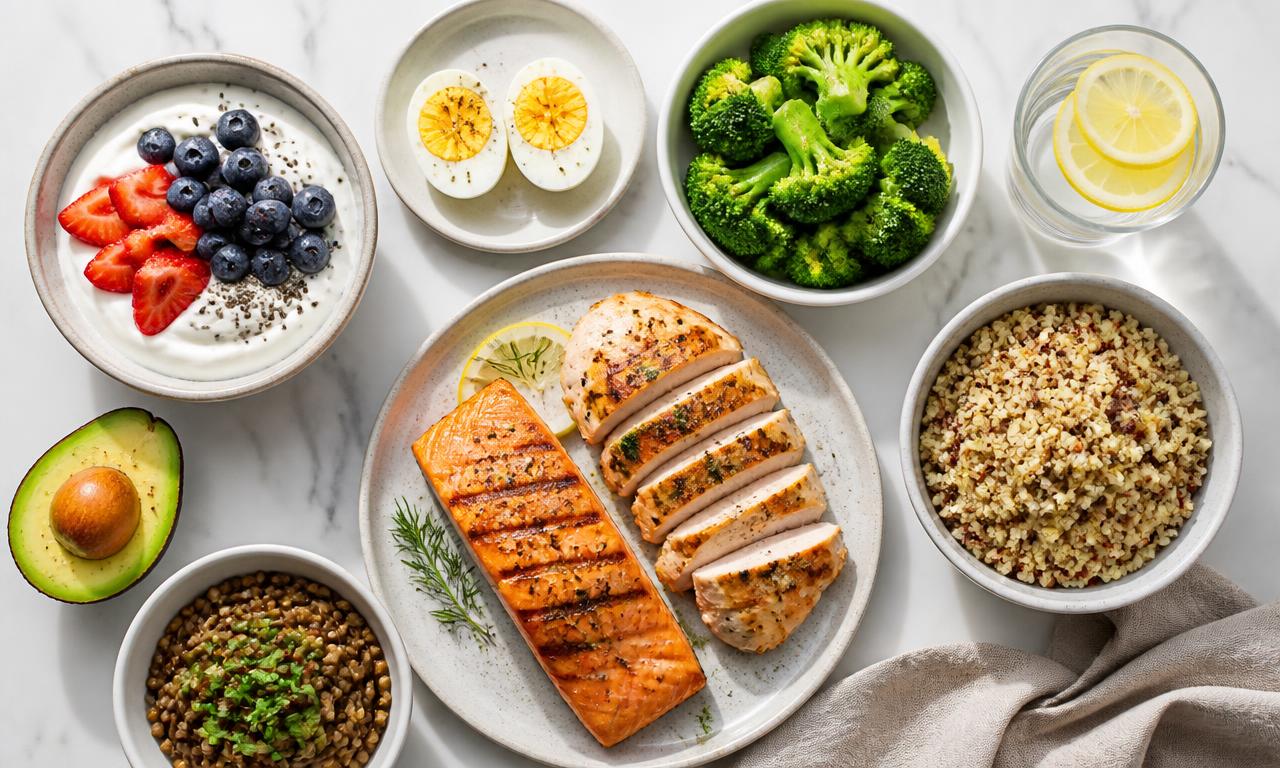
The Complete GLP-1 Diet Guide: What to Eat for Optimal Results
A clinician-guided GLP-1 nutrition guide from Optimal Body & Health in Mount Vernon and Mansfield, Ohio: exactly how much protein to eat, what to put on the plate, how to manage nausea and constipation with food, meal timing, prep strategy, and how hormones affect your results on semaglutide or tirzepatide.
Read the article →
May 5, 2026
Why Medical Weight Loss Works When Diets Fail: A Science-Based Approach
If you’ve tried dieting over and over again—cutting calories, eliminating carbs, hitting the gym—and still can’t lose weight (or keep it off), you’re not alone. The truth is, most diets fail not because of lack of effort—but because they ignore the biology behind weight gain. This is where medical w
Read the article →
Dec 21, 2025
The Science of Lasting Transformation
How GLP-1 and Hormone Optimization Redefine Weight Loss Introduction: Moving Beyond the Scale at Optimal Body & Health For countless individuals, the journey to lose weight is paved with frustration, short-term victories, and long-term disappointment. If you’ve tried every diet, counted every calori
Read the article →
Dec 2, 2025
Transform Your Health with Lipotropic Injections
Boost energy, enhance metabolism, and achieve your wellness goals naturally Learn About Our Lipotropic Injections In today’s fast-paced world, maintaining optimal health and achieving your wellness goals can feel like an uphill battle. Between managing stress, maintaining a balanced diet, finding ti
Read the article →