
Wellness Blog
Surviving the Holidays on GLP-1: A Practical Guide for Ohio
 Cindy Viers, DNP · October 24, 2026

Quick answer: Surviving the holidays on a GLP-1 does not mean giving up Thanksgiving dinner, Christmas traditions or time with family. Start with smaller portions, eat slowly, include protein and other nourishing foods, drink fluids regularly and stop when comfortably satisfied. Keep your prescribed medication plan unless your clinician advises otherwise, and get help for severe pain, persistent vomiting or dehydration.
If you use semaglutide, tirzepatide or another prescribed weight-management medicine, the holiday season may feel different this year. Foods you once enjoyed in large servings may fill you up sooner. A rich meal might feel uncomfortable. Relatives may notice that you are eating less, and travel can complicate your usual routine.
The goal is not to win a contest for the smallest plate. It is to feel well, nourish your body and enjoy the season without turning every gathering into a test of willpower. For patients in Mount Vernon, Mansfield and across Ohio, a practical plan can make that easier.
This guide is educational, not individualized medical advice. Products differ: semaglutide is a GLP-1 receptor agonist, while tirzepatide acts on both GIP and GLP-1 receptors. Approved uses, dosing and storage depend on the exact product. Your prescriber and pharmacist are the right people to answer medication-specific questions.
Why Do Holiday Meals Feel Different on a GLP-1?
These medicines can reduce appetite and slow stomach emptying, so you may feel full sooner. A serving that once felt ordinary may now feel like too much. Nausea, constipation, diarrhea and abdominal discomfort are possible side effects, especially around treatment changes.
That does not mean your body no longer needs food. Reduced appetite can make it harder to get adequate nourishment, particularly when busy days replace regular meals with coffee and a few bites. Weight management should support health and function, not simply suppress intake as much as possible.
Pay attention to your own pattern. Some people tolerate familiar foods well in smaller portions; others need adjustments. If you are struggling to eat enough, feeling weak or having ongoing digestive symptoms, contact your care team rather than assuming discomfort proves the medicine is working.
Before the Party: Make a Simple Plan
Arrive nourished, not determined to save all your food for one big meal. Skipping meals can make the evening less predictable and may be unsafe for people using certain diabetes medicines. Follow the meal and blood-sugar plan recommended for your situation.
Have a manageable breakfast and lunch, with a protein source you tolerate. Pack a simple snack if the gathering starts late or the drive is long. Yogurt, a small sandwich or another familiar food may be more useful than arriving exhausted and facing an unfamiliar buffet.
Think ahead about what matters most. Perhaps you want a little of your family's stuffing or a favorite dessert. Choosing those foods intentionally can feel more satisfying than grazing on everything available. If you are hosting, offer water, a straightforward protein option and vegetables alongside the festive dishes.
Before a busy holiday week, check that you have enough medication and supplies. Ask how to reach your usual care team during closures; do not assume a routine message will be answered immediately. Review our care process if you are considering ongoing support.
How to Build a Holiday Plate on Semaglutide or Tirzepatide
Start small and leave yourself permission to stop. You can usually return for more if you are still hungry. A plate does not need to contain a full serving of every dish to count as a holiday meal.
- Include a protein food: turkey, chicken, fish, tofu, beans or another option that fits your needs.
- Add vegetables you tolerate: cooked carrots, green beans or roasted vegetables may work well for some people.
- Include a carbohydrate: potatoes, rice, bread or stuffing can be part of a balanced meal.
- Choose favorites deliberately: a little gravy, casserole or dessert may fit better than large portions of every rich dish.
For example, a modest serving of turkey, green beans and mashed potatoes can leave room for a few bites of pie later if you want it and feel comfortable. This is a meal idea, not a prescription, calorie target or guarantee against nausea.
Eat at a pace that lets you notice fullness. Put down your fork occasionally and join the conversation. You do not need to clean your plate to express gratitude, and you do not need to force dessert because everyone else is having it.
Protein needs vary with body size, activity and medical conditions, including kidney disease. Ask your clinician or a registered dietitian for an appropriate target rather than adopting a number from social media. Our medical weight loss service explains the broader role of individualized care.
Managing Nausea, Fullness and Digestive Changes
Smaller meals and simpler foods may be more comfortable, but persistent symptoms deserve medical advice. Very rich, fried or high-fat foods can worsen discomfort for some people. Choose less of those foods if you notice a connection, rather than treating an entire food group as forbidden.
If nausea is mild, try a manageable amount of a familiar food instead of a large plate. Avoid pushing through an uncomfortable sense of fullness. People with reflux may find lying down soon after eating makes things worse, so stay upright if that helps your symptoms.
Constipation can become more noticeable when fluid intake, activity and food intake drop during travel. Include fiber-containing foods you tolerate and make changes gradually. Do not suddenly add large amounts of fiber or start a new laxative without advice when symptoms are significant.
If diarrhea or vomiting occurs, hydration becomes especially important. Contact your clinician if symptoms persist, intake is poor or you are unsure how to handle your next dose. Do not assume every stomach problem is a harmless medication effect: infection, gallbladder problems and other conditions can also cause symptoms.
Can You Drink Alcohol on a GLP-1 During the Holidays?
There is no universal alcohol rule for every GLP-1 product and patient. Your medicine, other medications, diabetes status and health history all matter. Ask your clinician or pharmacist before assuming that a holiday drink is safe for you.
Alcohol may aggravate nausea or reflux and can complicate eating and blood-sugar management. If you also use insulin or a sulfonylurea, discuss low-blood-sugar risk and follow your prescribed monitoring and treatment plan. Do not change those medicines on your own because you expect to eat less.
A festive nonalcoholic drink is a perfectly reasonable choice. Water with a citrus slice or a drink you tolerate can let you join a toast without pressure to drink alcohol. Avoid alcohol when you are vomiting, dehydrated or unable to eat and drink normally.
Drink fluids regularly instead of trying to catch up all at once. There is no single water target suitable for everyone; people with heart or kidney conditions may have specific fluid restrictions. Unusually little urine, marked dizziness or inability to keep fluids down should prompt medical attention.
Travel, Storage and Your Medication Routine
Plan around the instructions for your exact medicine, not a generic GLP-1 travel tip. Pens, vials and tablets can have different storage requirements. Even products containing the same active ingredient may have different directions.
Keep medication in labeled packaging, bring enough supplies and check transportation rules before leaving. Ask your pharmacist how to protect your product from heat or freezing and what to do if refrigeration is uncertain. Do not leave it in a parked car or assume a cooling pack automatically keeps it within the required range.
Set a reminder if travel changes your routine. For time-zone changes or a missed dose, consult the product instructions or pharmacist. Do not double up, borrow someone else's medication or use another brand's missed-dose window.
Do not skip or change your prescription simply to eat a larger holiday dinner. If side effects are making an upcoming trip difficult, contact your prescriber beforehand. If you have a procedure involving anesthesia or deep sedation, tell the procedural team that you use a GLP-1 medicine and follow its individualized instructions.
Compounded products are not FDA-approved. If you use one, confirm the exact concentration, measuring device, instructions and storage requirements with your prescriber and dispensing pharmacy. Do not convert a dose between products or improvise with a different syringe.
Handle Food Pressure Without Guilt
You do not owe anyone an explanation about your medication or your plate. Holiday hospitality can be loving and persistent, but your comfort still matters. A brief, kind response is often enough.
- “That was delicious. I am comfortably full.”
- “I would love to take a little home for tomorrow.”
- “I am enjoying dinner at my own pace.”
If you prefer privacy, redirect the conversation to the recipe, a family memory or plans for the evening. If you want support, tell one trusted person ahead of time that you may eat smaller portions and would appreciate no commentary.
Avoid describing foods as moral failures or framing medication as a reason you must never enjoy dessert. A sustainable relationship with food leaves room for pleasure, culture and flexibility. If holiday eating brings intense anxiety, restriction or loss-of-control feelings, discuss that with a qualified health professional.
Keep Movement and Sleep Realistic
Protect a few useful routines rather than aiming for a perfect holiday schedule. An easy walk, ordinary household activity or a familiar strength routine can keep you connected to movement when days are busy. Choose activities appropriate for your health and how you feel.
Movement is not punishment for pie. Preserving strength and adequate nutrition matters during weight loss, so do not replace meals with extra exercise. If you feel faint, weak or unwell, address the symptoms rather than pushing through a workout.
Late gatherings and travel can disrupt sleep. Keep a reasonably consistent bedtime when possible and allow recovery time between events. If fatigue, sleep problems or other symptoms persist beyond the holiday rush, a functional medicine evaluation can help organize a broader assessment rather than assuming medication or willpower explains everything.
What If You Eat More Than Feels Comfortable?
Return to your normal care plan; do not compensate with fasting or an extra dose. One meal does not erase your progress. Notice what happened, choose manageable meals when you can eat comfortably and keep fluids available.
Perhaps you ate quickly, tried several rich dishes or ignored early fullness because you did not want to offend the host. Use that information for the next gathering without blaming yourself. If symptoms are significant or do not improve, contact your clinician.
Evaluate the season by more than the scale. Staying nourished, maintaining follow-up, enjoying family time and responding safely to symptoms are meaningful successes. No holiday strategy guarantees weight loss, and your goals may need adjustment based on your medical situation.
Which Symptoms Need Urgent Medical Care?
Do not wait until the holidays are over for severe or persistent symptoms. Seek urgent assessment for severe abdominal pain, especially pain that extends to your back, repeated vomiting, inability to keep fluids down, fainting or markedly reduced urination. These can indicate serious problems, including pancreatitis or dehydration.
Abdominal pain with fever or yellowing of the skin or eyes also needs prompt assessment. Call 911 for breathing trouble, a serious allergic reaction or another emergency. A routine clinic inquiry is not a substitute for emergency care.
GLP-1 Holiday Support in Mount Vernon, Mansfield and Ohio
Optimal Body & Health offers clinician-guided medical weight loss at two Ohio offices, with telehealth across Ohio. Care should address medication suitability, nutrition, tolerability and follow-up rather than promise a particular amount of weight loss.
- Mount Vernon office: 60 Parrott Street, Suite B, Mount Vernon, OH 43050, serving Knox County, Gambier, Fredericktown and surrounding communities.
- Mansfield office: 1183 Lexington Avenue, Mansfield, OH 44907, serving Richland County, Lexington, Ontario and surrounding communities.
Explore medical weight loss in Mount Vernon or medical weight loss in Mansfield. Nearby towns are service areas, not additional office locations. Ohio telehealth may help with appropriate follow-up, but examinations or testing may still require in-person care.
To discuss your goals or prepare for the season, contact Optimal Body & Health or call 740-263-7178. Bring your exact medication name, dose, other medicines and a description of any symptoms. Your holiday plan should fit you—not someone else's social media checklist.
Frequently Asked Questions
Can I enjoy Thanksgiving or Christmas dinner while taking a GLP-1?
Yes. Start with a smaller serving, eat slowly and stop when comfortably satisfied. Include nourishing foods and holiday favorites you tolerate; there is no need to force a large meal or follow a perfect holiday diet.
Should I skip my GLP-1 dose before a holiday meal?
Do not skip, delay or change a prescribed dose just to eat more without discussing it with your prescriber. If you miss a dose, follow the instructions for your exact medicine or ask your pharmacist; do not double up.
What should I eat at a holiday party on semaglutide or tirzepatide?
Choose a modest portion of a protein food, vegetables you tolerate and a carbohydrate such as potatoes or rice. Rich foods and desserts can fit in smaller amounts if tolerated. Your individual nutrition needs and symptoms matter more than a rigid menu.
Can I drink alcohol while taking a GLP-1?
There is no single answer for every medicine and patient. Alcohol may worsen nausea or reflux, and diabetes medicines such as insulin or sulfonylureas add low-blood-sugar considerations. Ask your clinician or pharmacist, and avoid alcohol when you are unwell or unable to eat and drink normally.
How can I manage nausea during holiday gatherings?
Try smaller meals, eat slowly, stop before feeling overfull and choose simpler, lower-fat foods if those feel better. Sip fluids regularly. Contact your clinician for persistent symptoms or difficulty eating; seek urgent care if you cannot keep fluids down or have severe abdominal pain.
How should I travel with my GLP-1 medication?
Keep your medicine in labeled packaging, carry the supplies you need and follow its exact temperature and storage instructions. Storage limits differ by brand and formulation. Ask a pharmacist about refrigeration, travel delays and time-zone changes before departure.
What symptoms should not wait until after the holidays?
Severe or persistent abdominal pain, especially pain extending to the back, repeated vomiting, inability to keep fluids down, fainting or markedly reduced urination need urgent assessment. Call 911 for breathing trouble, a serious allergic reaction or another emergency.
Where can I find GLP-1 weight-management support in Mount Vernon or Mansfield?
Optimal Body & Health offers clinician-guided medical weight loss at 60 Parrott Street, Suite B in Mount Vernon and 1183 Lexington Avenue in Mansfield. Call 740-263-7178 to discuss an appointment. Medication suitability and treatment options require an individual evaluation.
Is weight-management telehealth available throughout Ohio?
Yes. Optimal Body & Health offers Ohio-wide telehealth, including patients from Knox County, Richland County and surrounding communities. Ask which follow-up needs can be handled remotely and whether examinations or testing require an in-person visit.
Medical Sources and Further Reading
These resources support the general safety guidance above. They do not replace your current product instructions or individual medical advice.
- UNC Health: enjoying the holidays while taking a GLP-1
- NHS: semaglutide medicine information
- FDA: Ozempic prescribing information and safety warnings
- FDA: concerns about unapproved GLP-1 drugs used for weight loss
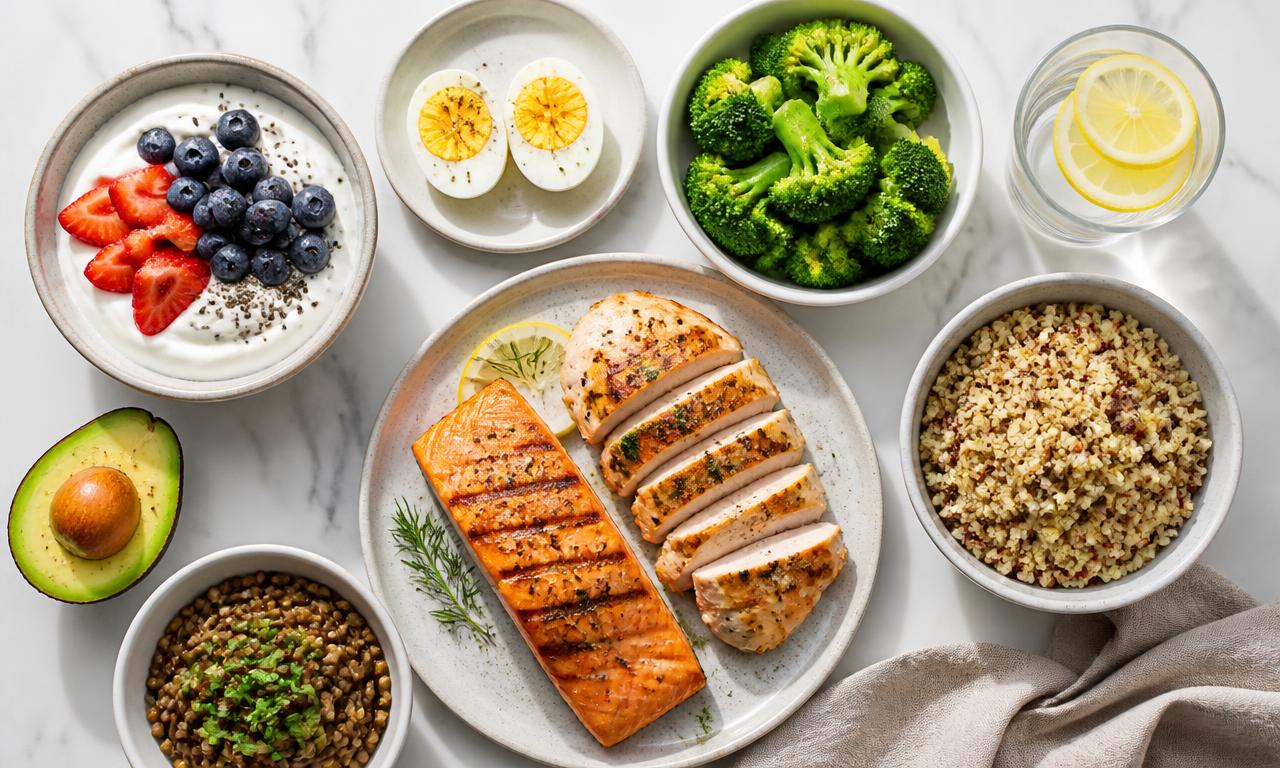
Educational content only. The featured image is generated and does not depict actual clinic patients.
Related reading
More articles on the same health topics, plus the care we provide in Mount Vernon and Mansfield, Ohio — with telehealth anywhere in Ohio.
Aug 24, 2026
The Complete GLP-1 Diet Guide: What to Eat for Optimal Results
A clinician-guided GLP-1 nutrition guide from Optimal Body & Health in Mount Vernon and Mansfield, Ohio: exactly how much protein to eat, what to put on the plate, how to manage nausea and constipation with food, meal timing, prep strategy, and how hormones affect your results on semaglutide or tirzepatide.
Read the article →
May 5, 2026
Why Medical Weight Loss Works When Diets Fail: A Science-Based Approach
If you’ve tried dieting over and over again—cutting calories, eliminating carbs, hitting the gym—and still can’t lose weight (or keep it off), you’re not alone. The truth is, most diets fail not because of lack of effort—but because they ignore the biology behind weight gain. This is where medical w
Read the article →
Dec 21, 2025
The Science of Lasting Transformation
How GLP-1 and Hormone Optimization Redefine Weight Loss Introduction: Moving Beyond the Scale at Optimal Body & Health For countless individuals, the journey to lose weight is paved with frustration, short-term victories, and long-term disappointment. If you’ve tried every diet, counted every calori
Read the article →
Nov 11, 2025
Unlocking Sustainable Weight Loss with Semaglutide at Optimal Body & Health
At Optimal Body & Health, with locations in Mount Vernon (60 Parrott Street, Suite B, Mount Vernon, OH 43050) and Mansfield (1183 Lexington Avenue, Mansfield, OH 44907; phone: (740) 263-7178), we’re committed to helping clients achieve meaningful, lasting weight-loss results. One of our most effecti
Read the article →