Wellness Blog
Diet, Eating Right, and Your Hormones: How Food Shapes the System That Runs Your Body
 Cindy Viers, DNP · August 15, 2026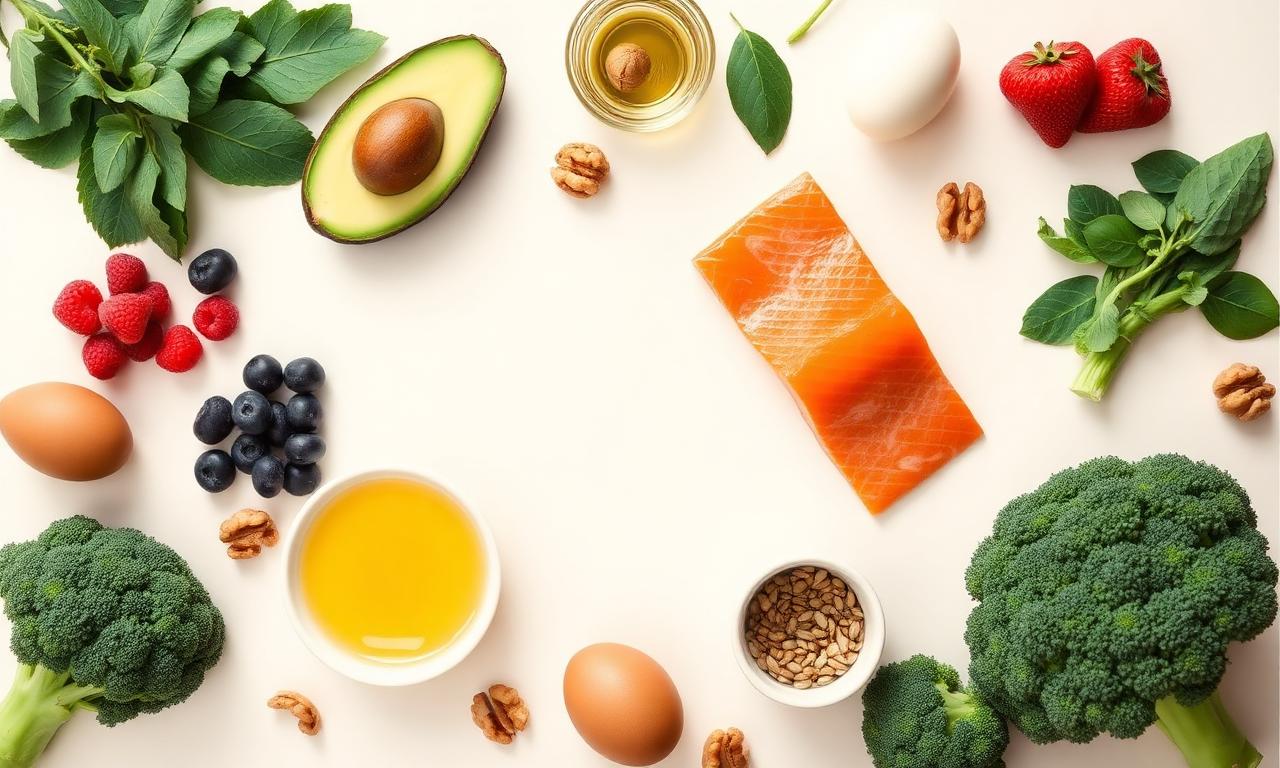
Most people think of diet in terms of calories in and calories out, or a number on a scale. But the food on your plate is doing something far more important behind the scenes: it is talking to your hormones. Every meal you eat sends a signal that either helps your hormones stay balanced or pushes them out of rhythm — and those hormones, in turn, control your energy, your weight, your mood, your sleep, your libido, and your ability to recover.
At Optimal Body & Health in Mount Vernon and Mansfield, Ohio — with telehealth available statewide — we help patients every day whose diets looked “fine” on paper but were quietly driving insulin resistance, cortisol spikes, thyroid slowdown, and sex-hormone decline. This guide explains how eating right supports hormone balance, which foods matter most, the patterns that sabotage progress, and how to build a sustainable plate that works with your body instead of against it.
Your Hormones Are Built From Your Food
Hormones are chemical messengers, and your body manufactures them from the raw materials you provide through food. Cholesterol is the backbone of every sex hormone — estrogen, progesterone, testosterone, DHEA, and cortisol. Amino acids from protein build thyroid hormones, insulin, and growth hormone. Fatty acids form the membranes of every cell those hormones act on. Vitamins and minerals serve as the cofactors that make hormone production and clearance possible.
When your diet is missing those raw materials — too little protein, too few healthy fats, depleted micronutrients — your body simply cannot make hormones in the amounts it needs. You can eat “clean” and still be under-fueling the system that runs your metabolism. That is why restrictive diets that strip out fat and protein so often end in fatigue, hair thinning, lost cycles, and stalled weight loss.
The Four Hormones Food Moves Most
1. Insulin
Insulin is the hormone that shuttles sugar out of your blood and into your cells. Every time you eat refined carbs or sugar without protein, fat, or fiber to slow them down, insulin spikes. Repeated insulin spikes over months and years lead to insulin resistance — the silent driver behind stubborn belly fat, fatigue after meals, cravings, PCOS symptoms, and eventually prediabetes. Eating right for insulin means pairing carbohydrates with protein and fat, choosing fiber-rich whole carbs, and never eating a “naked” carbohydrate on its own.
2. Cortisol
Cortisol is your primary stress hormone. Skipping meals, under-eating for long stretches, and living on caffeine and sugar all read as stress to your body and raise cortisol. Chronically elevated cortisol breaks down muscle, promotes abdominal fat storage, disrupts sleep, and suppresses thyroid and sex hormone production. Consistent, nourishing meals at regular intervals are one of the most underrated cortisol-lowering tools there is.
3. Thyroid Hormones
Your thyroid sets your metabolic rate, and it depends heavily on what you eat. Iodine, selenium, zinc, iron, and vitamin D are all required to produce and convert thyroid hormone into its active form. Ultra-low-carb and very-low-calorie diets can suppress thyroid output — one reason people feel cold, tired, and stuck on aggressive keto or crash diets. Whole-food carbohydrates, adequate protein, and the right minerals protect thyroid function.
4. Sex Hormones (Estrogen, Progesterone, Testosterone)
Sex hormones govern libido, muscle, mood, cycles, sleep, and body composition. They depend on dietary fat and cholesterol for production, on protein and zinc for testosterone, and on fiber and cruciferous vegetables for healthy estrogen clearance. A diet that is too low in fat or too low in calories will predictably drag down sex hormones — often long before labs flag a “clinical” problem, but well after you start feeling it.
Foods That Support Hormone Balance
Protein at Every Meal
High-quality protein stabilizes blood sugar, blunts insulin spikes, and supplies the amino acids your thyroid and muscles depend on. Aim for a palm-sized portion at every meal — eggs, wild-caught fish, pasture-raised poultry, grass-fed beef, Greek yogurt, or clean protein powder. Roughly 0.7–1.0 gram per pound of goal body weight per day is a strong target for most adults.
Healthy Fats
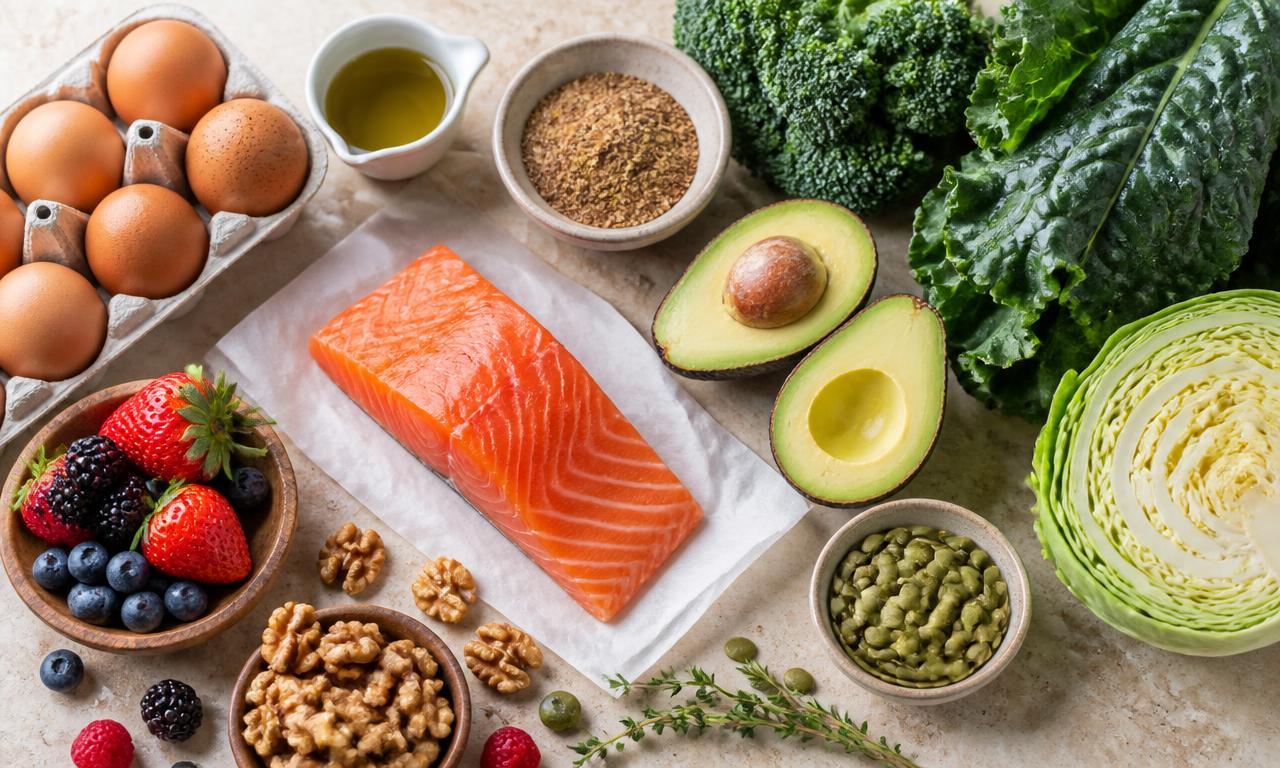
Do not fear fat — fear the wrong fat. Extra-virgin olive oil, avocado, nuts, seeds, wild-caught fatty fish, and pastured eggs provide the building blocks for sex hormones, support cell membranes, and slow digestion so you stay full and your blood sugar stays steady. A couple of tablespoons of olive oil, a quarter avocado, or a small handful of nuts at meals is an easy habit that pays hormonal dividends.
Fiber-Rich, Colorful Vegetables
Non-starchy vegetables — leafy greens, broccoli, cauliflower, Brussels sprouts, peppers, asparagus — are loaded with fiber, antioxidants, and minerals. Cruciferous vegetables in particular contain compounds that help the liver metabolize and clear excess estrogen, which is especially useful for women in perimenopause. Make half your plate vegetables and you naturally crowd out the foods that work against you.
Smart, Whole-Food Carbohydrates
Carbs are not the enemy — refined carbs and sugar are. Whole-food carbs like berries, beans, lentils, sweet potatoes, oats, and quinoa deliver fiber and nutrients that support thyroid function and steady energy. The key is timing and pairing: eat them alongside protein and fat, and let activity level guide the amount.
Omega-3s From Fatty Fish
The EPA and DHA in wild-caught salmon, sardines, and mackerel lower inflammation and improve insulin sensitivity — two of the biggest hidden hormone disruptors we see in lab work. Two to three servings a week, or a high-quality fish oil, makes a real difference.
Mineral and Micronutrient Anchors
A few foods punch far above their weight hormonally: Brazil nuts for selenium (1–2 a day supports thyroid), pumpkin seeds for zinc (testosterone and immunity), leafy greens for magnesium (cortisol and sleep), and eggs for choline (liver and brain). You do not need a pantry of supplements when the foundation of the diet is strong.
Eating Patterns That Quietly Wreck Hormones
- Skipping breakfast and running on coffee. Raises cortisol, destabilizes blood sugar for the rest of the day, and often triggers late-evening overeating.
- Very-low-calorie or ultra-low-carb diets. Can suppress thyroid and sex hormones and increase cortisol when sustained too long.
- “Naked” carbs. A bagel, pastry, or sweet coffee drink alone spikes insulin and crashes energy an hour later.
- Seed oils and ultra-processed foods. High omega-6 load drives inflammation, which disrupts insulin signaling and hormone production.
- Under-eating protein and fat. The most common reason “clean” diets still leave people tired, moody, and losing hair.
- Alcohol most nights. Disrupts sleep, raises cortisol, burdens the liver (where hormones are metabolized), and adds empty calories that blunt fat loss.
A Practical Plate-by-Plate Approach
You do not need to count every gram to eat right. A simple visual plate works for nearly everyone:
- Half the plate: non-starchy vegetables — roasted, sautéed in olive oil, or raw with color variety.
- A quarter of the plate: high-quality protein — fish, poultry, beef, eggs, or legumes.
- A quarter of the plate: smart carbs — berries, beans, sweet potato, oats, or quinoa.
- Add: a thumb of healthy fat — olive oil, avocado, nuts, or seeds.
Eat three balanced meals a day, front-load protein at breakfast, and keep snacks to whole foods like Greek yogurt and berries, an apple with almond butter, or a handful of nuts. Most people feel dramatically better — steadier energy, fewer cravings, better sleep — within one to two weeks of simply stabilizing their meals.
When Diet Alone Isn’t Enough
Eating right is foundational, but it is not always the whole answer. If hormone decline, insulin resistance, thyroid dysfunction, or nutrient deficiencies have been building for years, food can support recovery but may not fully reverse the imbalance on its own. That is where comprehensive lab work and targeted support come in — bio-identical hormone therapy, testosterone therapy, medical weight loss, and root-cause functional medicine care that pairs nutrition with the treatment your body actually needs.
Eating Right for Hormones in Mount Vernon & Mansfield, Ohio
Cindy Viers, DNP, APRN, CNP brings more than 25 years of clinical experience and advanced training in hormone optimization, medical weight management, and functional medicine. Patients travel to us from Mount Vernon, Mansfield, Gambier, Fredericktown, Lexington, Ontario, and across Knox and Richland counties — and telehealth visits are available anywhere in Ohio. If you are eating “right” and still not feeling right, the problem is rarely your willpower. It is usually your hormones, and we can help you find out exactly what is going on. Reach out or book a consultation to get started.
Frequently Asked Questions
Can changing my diet really balance my hormones?
Yes — food is one of the most powerful hormone regulators you have. Stabilizing blood sugar with protein and fat, eating enough whole-food carbs for thyroid support, and including healthy fats for sex-hormone production can meaningfully improve energy, mood, sleep, and weight within weeks. When deeper imbalances exist, diet becomes the foundation that supports medical treatment rather than the whole solution.
Is a low-carb or keto diet good for hormones?
It depends. Short-term lower-carb eating can improve insulin resistance and blood sugar, which helps hormones. But very-low-carb or very-low-calorie diets sustained too long can suppress thyroid output, raise cortisol, and lower sex hormones. Most people do best with moderate whole-food carbs timed around activity, paired with protein and fat — not carb elimination.
What should I eat for breakfast to support hormones?
A protein-forward breakfast stabilizes blood sugar and cortisol for the whole day. Eggs with vegetables and avocado, Greek yogurt with berries and nuts, or a clean protein smoothie with greens and nut butter are all strong options. Avoid a coffee-and-pastry breakfast, which spikes insulin and sets up an energy crash and cravings later.
Does eating fat raise estrogen or testosterone too high?
No. Healthy fats provide the raw material your body uses to make hormones in the amounts it actually needs — they do not arbitrarily drive levels too high. The foods more likely to disrupt hormone balance are refined sugar, ultra-processed seed oils, and alcohol, not whole-food fats like olive oil, avocado, and nuts.
How long until I notice a difference from eating right?
Most people feel steadier energy and fewer cravings within one to two weeks of stabilizing meals. Sleep and mood usually improve in the first month. Body composition and hormone-related symptoms like cycle changes or low libido can take two to three months of consistency to shift meaningfully.
Can I fix hormone imbalance with food alone?
Sometimes. Diet can fully resolve early insulin resistance and mild deficiencies. But when hormone decline, significant thyroid dysfunction, or longstanding imbalance is present, food supports recovery but usually needs to be paired with targeted therapy and supplementation guided by lab work — exactly what we evaluate at Optimal Body & Health.
Related reading
More articles on the same health topics, plus the care we provide in Mount Vernon and Mansfield, Ohio — with telehealth anywhere in Ohio.
Aug 31, 2026
Eating For Your Hormones: The Foods That Build, Balance and Clear Them
A clinician-guided guide to eating for hormone health from Optimal Body & Health in Mount Vernon and Mansfield, Ohio: how food controls insulin, testosterone, estrogen, progesterone, thyroid and cortisol, the fats and protein your hormones are built from, the fiber that clears them, and the nutrient deficiencies we find most often on labs.
Read the article →
Sep 20, 2026
Thyroid Symptoms, Fatigue & Weight Gain: A Guide for Mount Vernon & Mansfield, Ohio
Tired, cold, foggy or struggling with unexplained weight changes? Learn how thyroid function is evaluated, what symptoms can mean, and where functional medicine fits in Mount Vernon and Mansfield, Ohio.
Read the article →
Sep 19, 2026
Functional Medicine & Hormone Optimization in Mount Vernon & Mansfield, OH
Discover how functional medicine and personalized hormone optimization can address fatigue, weight changes, brain fog, sleep problems and low vitality in Mount Vernon and Mansfield, Ohio, with telehealth available statewide.
Read the article →
Sep 8, 2026
Wellness Tips For September: Reset Your Health Before Fall
Practical September wellness tips from Optimal Body & Health in Mount Vernon and Mansfield, Ohio: how to use the back-to-routine season to reset sleep, nutrition, movement, hydration, stress and hormone health before the holidays — and why September labs beat January resolutions.
Read the article →