A Comprehensive Guide to Performance-Enhancing Peptides
Table of Contents
- Introduction to Peptide Therapy
- How Peptides Work in the Human Body
- Common Performance-Enhancing Peptides
- Applications for Body and Brain Optimization
- Administration Methods and Safety Considerations
- Finding Professional Guidance
- Future Directions in Peptide Science
- Frequently Asked Questions
- Sources and Further Reading
Introduction to Peptide Therapy
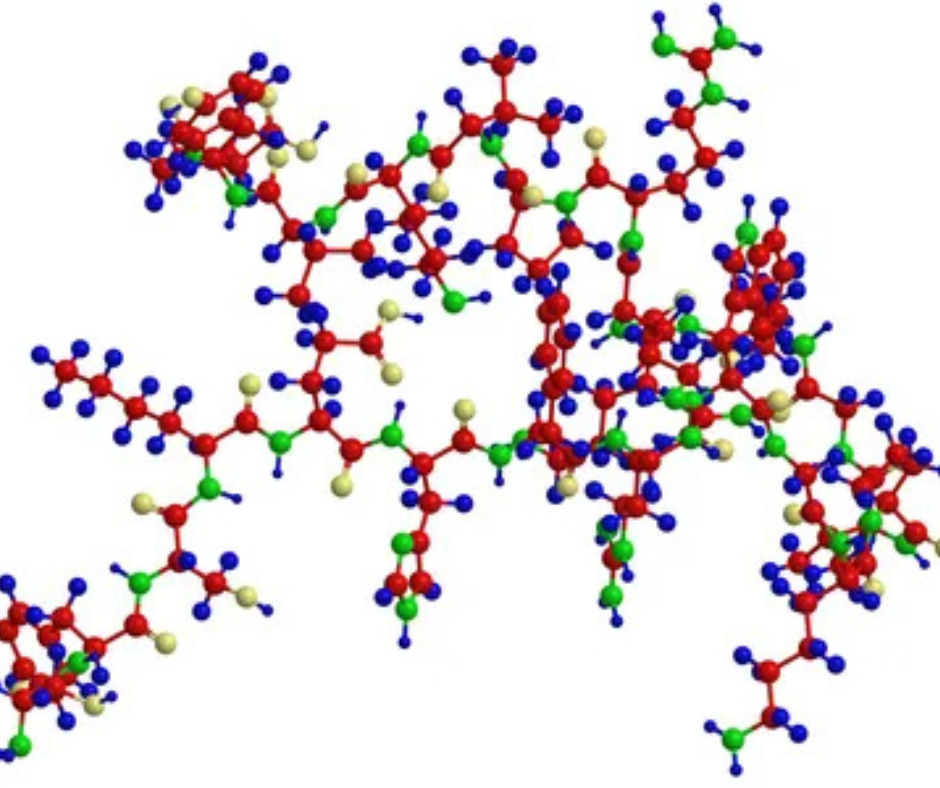
In the relentless pursuit of optimal health and performance, a new frontier has emerged at the intersection of biochemistry and wellness: peptide therapy. These remarkable chains of amino acids, often referred to as the building blocks of proteins, are revolutionizing how we approach health optimization, athletic performance, and age management. Unlike synthetic pharmaceuticals that often force the body into unnatural responses, peptides work by amplifying the body’s own communication systems, essentially instructing cells to perform their natural functions more efficiently.
The science of peptides represents one of the most exciting developments in modern medicine and performance enhancement. At specialized clinics like Optimal Body & Health in Ohio, with locations in Mount Vernon (60 Parrott Street, Suite B, Mount Vernon, Ohio, 43050) and Mansfield (1183 Lexington Avenue, Mansfield, Ohio 44907), healthcare professionals are harnessing the power of these compounds to help patients achieve results that were once thought impossible—from accelerated healing and muscle growth to improved cognitive function and metabolic enhancement.
As our understanding of human biochemistry deepens, peptides are increasingly recognized not as shortcuts to performance, but as tools to help the body function as it was designed to—at its peak potential. This comprehensive guide will explore the science behind performance-enhancing peptides, their applications, safety considerations, and how they might fit into your personal health optimization journey.
How Peptides Work in the Human Body
To understand why peptides are so revolutionary, we must first understand their fundamental role in human physiology. Peptides are essentially short chains of amino acids, typically consisting of 2-50 amino acids linked together. They serve as biological messengers in the body, transmitting information between cells, tissues, and organs to regulate countless physiological processes.
When a peptide is introduced into the body, it binds to specific receptors on cell surfaces, much like a key fitting into a lock. This binding triggers a cascade of intracellular events that influence gene expression, protein synthesis, and cellular metabolism. What makes peptides particularly remarkable is their high specificity—each peptide is designed to interact with specific receptors, making their effects targeted and efficient with minimal off-target consequences.
The body naturally produces hundreds of peptides that regulate everything from growth and metabolism to immune function and tissue repair. Performance-enhancing peptides are often either identical to these natural compounds or slightly modified versions designed to enhance their stability, bioavailability, or specificity. By supplementing with these compounds, we can essentially amplify the body’s natural signaling pathways to achieve therapeutic benefits.
Common Performance-Enhancing Peptides
Growth Hormone Secretagogues (GHSs)
Perhaps the most well-known category of performance-enhancing peptides are Growth Hormone Secretagogues (GHSs). These compounds stimulate the pituitary gland to release growth hormone (GH), which plays a crucial role in muscle growth, fat metabolism, and tissue repair. Unlike direct growth hormone administration, GHSs work through the body’s natural regulatory pathways, reducing the risk of side effects associated with GH excess.
Two prominent examples include:
- Ipamorelin: Known for its clean stimulation of growth hormone release without significantly affecting cortisol or prolactin levels.
- Tesamorelin: Specifically developed to reduce visceral adipose tissue (belly fat) while improving lipid profiles.
Healing and Recovery Peptides
For athletes and active individuals, recovery is just as important as training. Certain peptides can dramatically accelerate the body’s natural healing processes:
- BPC-157 (Body Protecting Compound-157): This remarkable peptide has demonstrated exceptional tissue repair properties, particularly for tendons, ligaments, and muscles. Research suggests it promotes angiogenesis (formation of new blood vessels) and increases growth hormone receptor expression in healing tissues.
- Thymosin Beta-4: Naturally occurring in the body, this peptide plays a vital role in cell migration, proliferation, and differentiation—all essential processes for tissue repair and regeneration.
Metabolic and Endurance Peptides
Beyond muscle building and recovery, peptides can also enhance metabolic function and endurance:
- AOD9604: A modified fragment of human growth hormone (amino acids 177-191) that appears to specifically target fat metabolism without the growth-promoting effects of full-length GH.
- MOTS-c: A mitochondrial-derived peptide that regulates metabolic homeostasis, improving insulin sensitivity and exercise capacity in preclinical studies.
Cognitive Enhancement Peptides
The pursuit of optimal performance extends beyond the physical body to cognitive function:
- Semax: Originally developed in Russia, this peptide has shown promise for cognitive enhancement, neuroprotection, and even mood improvement.
- Cerebrolysin: While technically a peptide mixture rather than a single peptide, this nootropic has demonstrated benefits for memory, learning, and overall brain function in numerous studies.
Applications for Body and Brain Optimization
Athletic Performance and Body Composition
For athletes and fitness enthusiasts, peptides offer targeted approaches to achieving specific goals. A well-designed peptide protocol can help:
- Increase lean muscle mass through enhanced protein synthesis and growth hormone optimization
- Accelerate recovery from intense training sessions or competitions
- Reduce body fat by improving metabolic efficiency and lipolysis
- Enhance endurance through improved mitochondrial function and oxygen utilization
- Strengthen connective tissues to prevent injuries
The key advantage of peptides in athletic enhancement is their targeted mechanism of action. Unlike anabolic steroids that broadly and aggressively alter hormonal pathways, peptides typically work by amplifying the body’s natural processes, resulting in more sustainable gains with fewer side effects.
Age Management and Longevity
Perhaps one of the most exciting applications of peptide therapy is in the field of age managementand longevity science. As we age, our natural production of many beneficial peptides declines, contributing to the characteristic changes associated with aging: decreased muscle mass, increased body fat, reduced energy, slower recovery, and cognitive decline.
A strategic peptide regimen can help address multiple facets of aging simultaneously:
- Increasing growth hormone levels that naturally decline with age
- Enhancing cellular repair mechanisms that become less efficient over time
- Improving mitochondrial function to boost energy production
- Supporting cognitive function and neuroprotection
- Promoting better sleep quality, which is essential for recovery and hormone regulation
Cognitive Enhancement and Mental Performance
In our increasingly complex world, cognitive performance has become as valuable as physical capability. Certain peptides show remarkable potential for:
- Enhancing memory formation and recall
- Improving focus and concentration
- Supporting neuroplasticity (the brain’s ability to reorganize and form new connections)
- Providing neuroprotection against age-related decline and oxidative stress
- Regulating mood and emotional resilience
Administration Methods and Safety Considerations
Delivery Methods
Peptides can be administered through several routes, each with different characteristics:
- Subcutaneous Injection: The most common method for performance peptides, typically administered into fatty tissue (such as the abdomen). This method provides consistent absorption and high bioavailability.
- Intramuscular Injection: Used for certain peptides, particularly those targeting specific muscle groups or injuries.
- Nasal Administration: Some cognitive-enhancing peptides are available in nasal spray form, allowing for rapid absorption through the nasal mucosa and direct delivery to the brain.
- Oral Administration: While convenient, many peptides are destroyed in the digestive system, making this method ineffective for most therapeutic peptides. However, some newer formulations with enhanced stability are being developed.
Safety Profile and Considerations
When used responsibly under medical supervision, peptides generally have an excellent safety profile compared to many pharmaceutical interventions. However, responsible use requires attention to several important factors:
- Medical Supervision: Peptides should always be used under the guidance of a healthcare professional familiar with peptide therapy. This ensures proper dosing, monitoring, and integration with your overall health plan.
- Quality Sourcing: The peptide market has significant quality variation. Only source peptides from reputable compounding pharmacies that provide third-party testing and certification.
- Individual Response: Like any therapeutic intervention, individual responses to peptides can vary based on genetics, lifestyle, and baseline health status.
- Potential Side Effects: While generally mild and transient when they occur, potential side effects may include injection site reactions, temporary water retention, increased appetite, or joint discomfort. These typically resolve with dosage adjustments or as the body adapts.
- Cycling Protocols: Many peptide regimens follow cycling patterns (periods of use followed by breaks) to maintain effectiveness and prevent receptor desensitization.
Finding Professional Guidance
Given the complexity and individualized nature of peptide therapy, seeking professional guidance is essential. Reputable clinics like Optimal Body & Health in Ohio specialize in creating personalized peptide protocols based on comprehensive health assessments. When considering peptide therapy, look for providers who:
- Conduct thorough initial evaluations including health history, lab work, and goal assessment
- Offer personalized protocols rather than one-size-fits-all approaches
- Provide ongoing monitoring and adjustment of protocols based on response
- Maintain transparency about peptide sourcing and quality
- Integrate peptide therapy into a comprehensive health optimization plan including nutrition, exercise, and lifestyle factors
The professionals at Optimal Body & Health (with locations in Mount Vernon and Mansfield, Ohio) exemplify this approach, combining cutting-edge peptide therapy with holistic health optimization strategies to help clients achieve their performance and wellness goals.
Future Directions in Peptide Science
The field of peptide therapeutics is advancing at an extraordinary pace, with exciting developments on the horizon:
- Oral Bioavailability: Researchers are developing novel delivery systems and peptide modifications to overcome the challenge of oral administration.
- Targeted Delivery: Advances in nanotechnology may enable more precise targeting of peptides to specific tissues or organs.
- Combination Therapies: Sophisticated protocols combining multiple peptides with complementary mechanisms are becoming more refined.
- Personalized Peptide Medicine: As our understanding of genetics advances, truly personalized peptide protocols based on individual genetic profiles may become possible.
- New Therapeutic Targets: Researchers continue to discover new naturally occurring peptides with potential therapeutic applications.
These developments promise to make peptide therapy even more effective, accessible, and personalized in the coming years, potentially revolutionizing how we approach health optimization and performance enhancement.
Frequently Asked Questions
What are peptides and how do they differ from proteins?
Peptides are short chains of amino acids, typically consisting of 2-50 amino acids. Proteins are longer, more complex chains of amino acids that fold into specific three-dimensional structures. Peptides are essentially smaller versions of proteins that often function as signaling molecules in the body.
Are peptides legal and safe to use?
Most peptides discussed for performance enhancement are legal for research purposes and when prescribed by a licensed healthcare provider. Safety depends on proper medical supervision, appropriate dosing, and high-quality sourcing. When used responsibly under medical guidance, peptides generally have a favorable safety profile.
How long does it take to see results from peptide therapy?
Results vary depending on the specific peptide, dosage, individual response, and goals. Some effects like improved sleep or increased energy may be noticed within days to weeks, while body composition changes or significant healing typically require several weeks to months of consistent use.
Can peptides replace a healthy lifestyle?
Absolutely not. Peptides are tools to enhance and optimize the body’s natural functions, but they work best when combined with proper nutrition, regular exercise, adequate sleep, and stress management. Think of peptides as amplifiers of a healthy lifestyle, not substitutes for one.
Do peptides have side effects?
When used properly, side effects are typically mild and may include temporary injection site reactions, water retention, or increased appetite. Serious side effects are rare with appropriate medical supervision. Any peptide protocol should include monitoring for potential adverse effects.
How are peptides administered?
Most performance and therapeutic peptides are administered via subcutaneous injection, though some are available as nasal sprays or, increasingly, in oral forms with enhanced stability. The administration method depends on the specific peptide and its intended target.
Are the effects of peptide therapy permanent?
Most peptide-induced enhancements require ongoing or cyclic use to maintain benefits, as the body will gradually return to baseline after discontinuation. Some changes, particularly those related to healed injuries or established healthy habits, may have more lasting effects.
Can peptides help with injury recovery?
Yes, certain peptides like BPC-157 and Thymosin Beta-4 have demonstrated remarkable potential for accelerating healing of tendons, ligaments, muscles, and even bones by enhancing the body’s natural repair processes.
Sources and Further Reading
- Kühne, S. G., & Schüpbach, R. A. (2022). Peptide Therapeutics in Sports Medicine and Performance Enhancement. Journal of Performance Enhancement Research.
- Lee, A. C., Harris, J. L., Khanna, K. K., & Hong, J. H. (2021). A Comprehensive Review of Current Developments in Peptide Therapeutics. International Journal of Molecular Sciences.
- National Institutes of Health. (2023). Clinical Applications of Bioactive Peptides. NIH Research Portfolio Online Reporting Tools.
- Sinha, G. (2022). Growth Hormone Secretagogues: Mechanisms and Clinical Applications. Endocrine Reviews.
- World Anti-Doping Agency. (2024). Prohibited List: International Standard. WADA Publications.
- Zhang, L., & Bulaj, G. (2022). Turning Peptides into Drugs: State of the Art and Challenges. Current Pharmaceutical Design.
Disclaimer: This article is for informational purposes only and does not constitute medical advice. Peptide therapy should only be undertaken under the supervision of a qualified healthcare professional. Always consult with your physician before beginning any new treatment or performance enhancement protocol.